
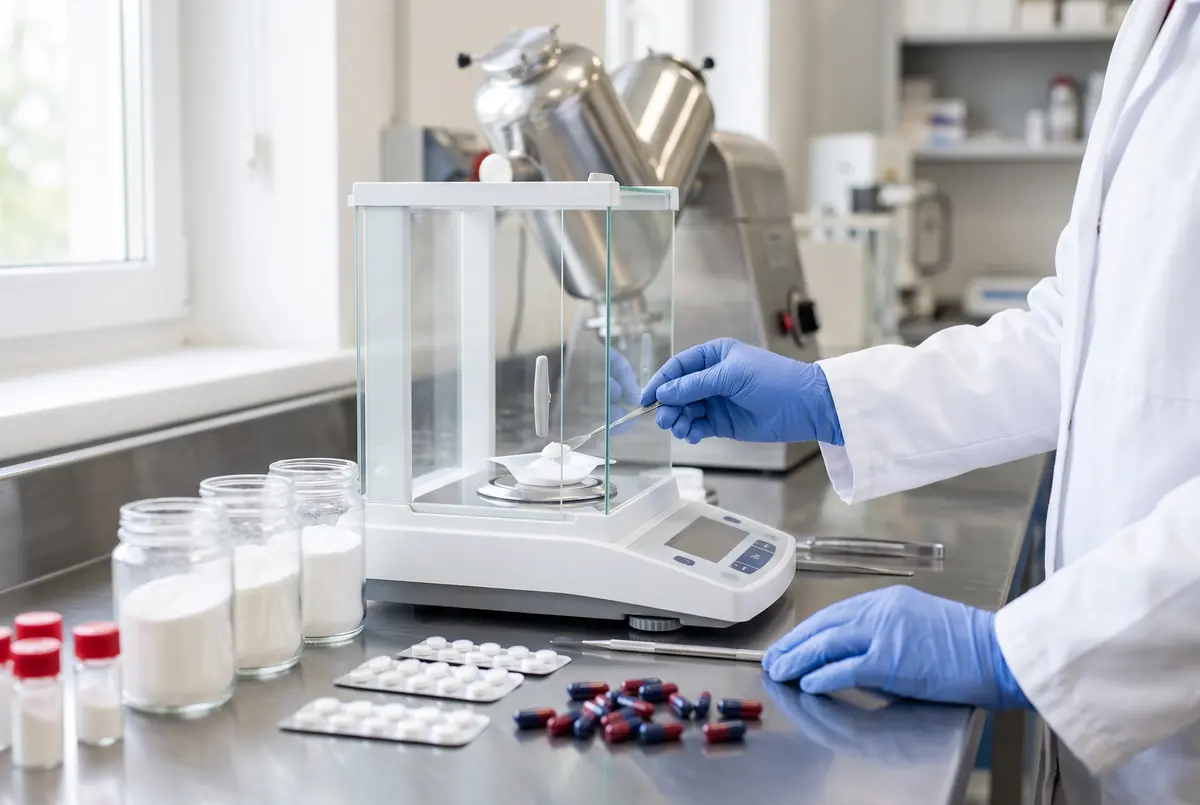
Solid Dose & Nutraceutical Formulation Development
Solid dose, powder and coating formulation from bench through scale-up.
What this covers
A formulation that works at five kilos is not yet a product. Blend uniformity, flow, compressibility and coating behaviour all change with batch size and with the specific equipment doing the work - and a formula developed without that in view tends to fail at exactly the point where failure is most expensive.
Development here is done against the line the product will actually run on: the excipients you can source, the press and coater you own or plan to buy, and the label claim you need to hold to the end of shelf life.
Solid dose formulation work covering tablets, capsules and powders - including blending and mixing, granulation and coating. We develop formulations that survive the transition from bench to production line, accounting for the equipment you actually run, the excipients you can actually source, and the label claims you need to hold. Scale-up parameters are documented so your batch records match reality.
Included capabilities
- 01Tablets, capsules and powders
- 02Solid dose formulation
- 03Blending & mixing
- 04Coating processes
- 05Bench-to-production scale-up
Who this is for
- Brands moving a concept into a manufacturable dosage form
- Nutraceutical companies scaling a product beyond pilot batches
- Manufacturers troubleshooting yield, uniformity or capping problems
- Teams reformulating around an excipient or supplier change
What you actually receive
Documents and outcomes, not hours. Each item is something you can hand to an inspector, a supplier or your own team.
- 01
Formulation and rationale
The formula with each component justified by function, plus the excipient grades and suppliers it assumes.
- 02
Process parameters
Blend times, granulation end points, compression settings and coating parameters recorded at the scale they were proven at.
- 03
Scale-up path
What changes between bench, pilot and production, and which parameters must be re-established rather than carried across.
- 04
Specification and test plan
In-process and finished product checks, with the limits the formulation was demonstrated to hold.
The sequence for this engagement
- 01
Target and constraints
Dosage form, actives and loading, label claim, shelf life, and the equipment the product must run on.
- 02
Bench development
Excipient selection and trial batches, working toward a blend that flows and compresses predictably.
- 03
Pilot and process definition
Scale-up trials with parameters recorded, including granulation and coating where the form requires them.
- 04
Production transfer
Parameters handed over in a form the batch record can use, with the known failure modes documented.
Formulation Development questions
- Which dosage forms do you develop?
- Solid dose: tablets, two-piece capsules and powders, including blending and mixing, granulation and film or functional coating. Both pharmaceutical and nutraceutical products.
- Why do formulations fail during scale-up?
- Usually because a parameter that was incidental at bench scale becomes controlling at production scale - blend time in a larger vessel, shear in a different granulator, dwell time on a faster press. Development that records why each parameter was chosen makes those failures predictable instead of surprising.
- Can you work with our existing equipment?
- That is the preferred approach. Formulating around the press, blender and coater you already run avoids a product that only works on machinery you would have to buy.
What usually goes with this
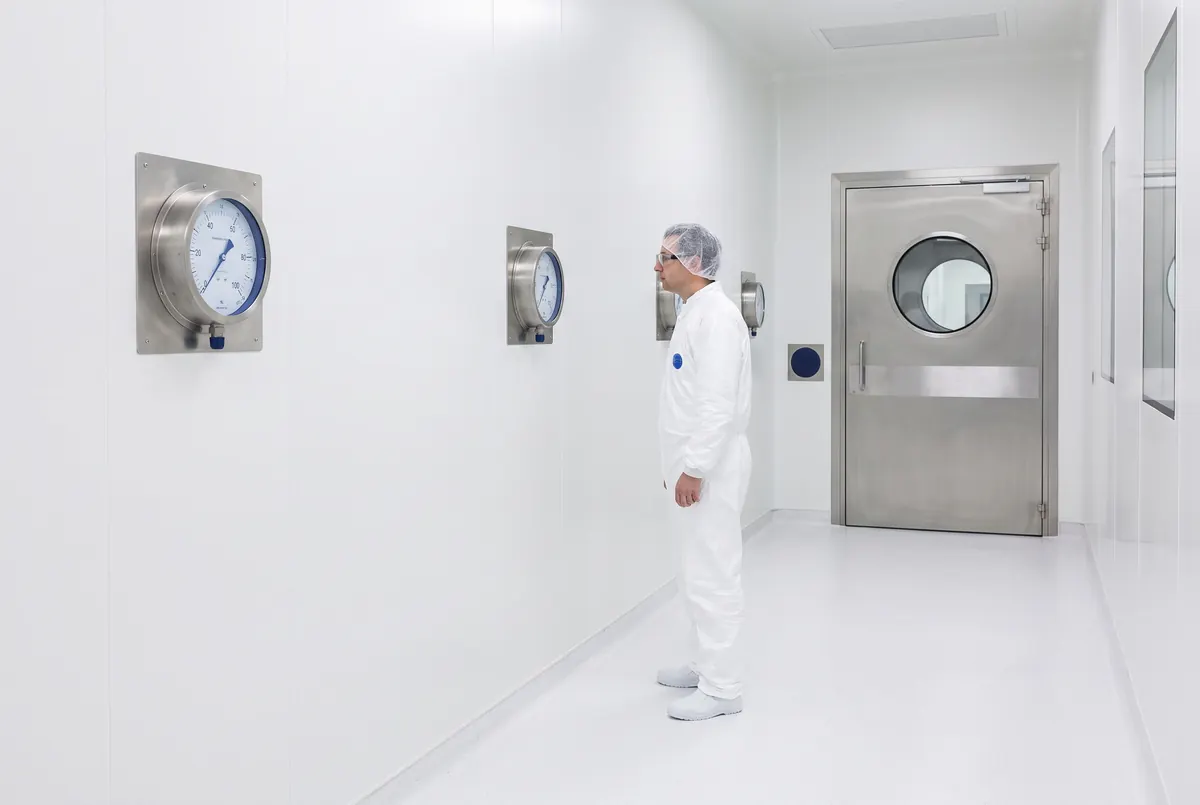
Facility Setup & Regulatory Compliance
Facility design and SOP systems built to FDA cGMP guidelines from day one.
View service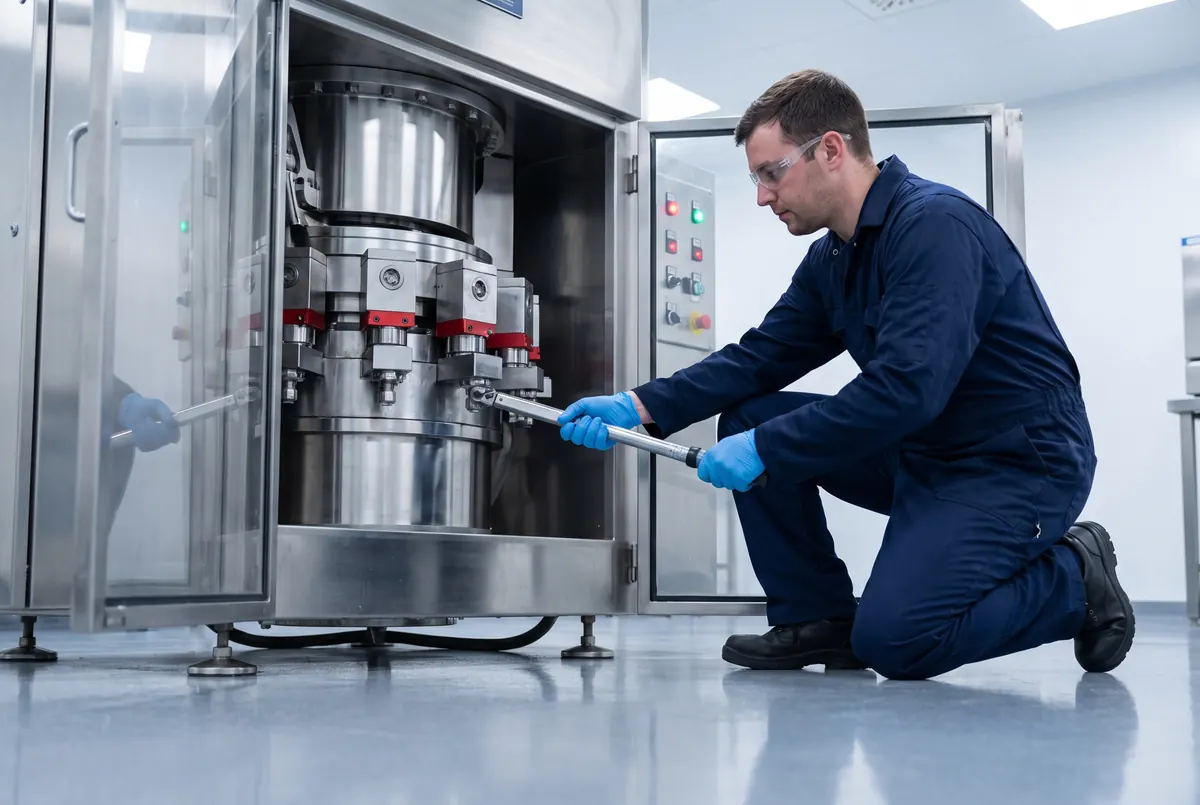
Equipment Solutions
Sourcing, installation, in-process equipment, validation and preventive maintenance.
View service
Free initial consultation
Need formulation development?
Describe the facility, product or line and you will get a direct technical answer from Mohammed Z. Rahman, GMP Auditor.